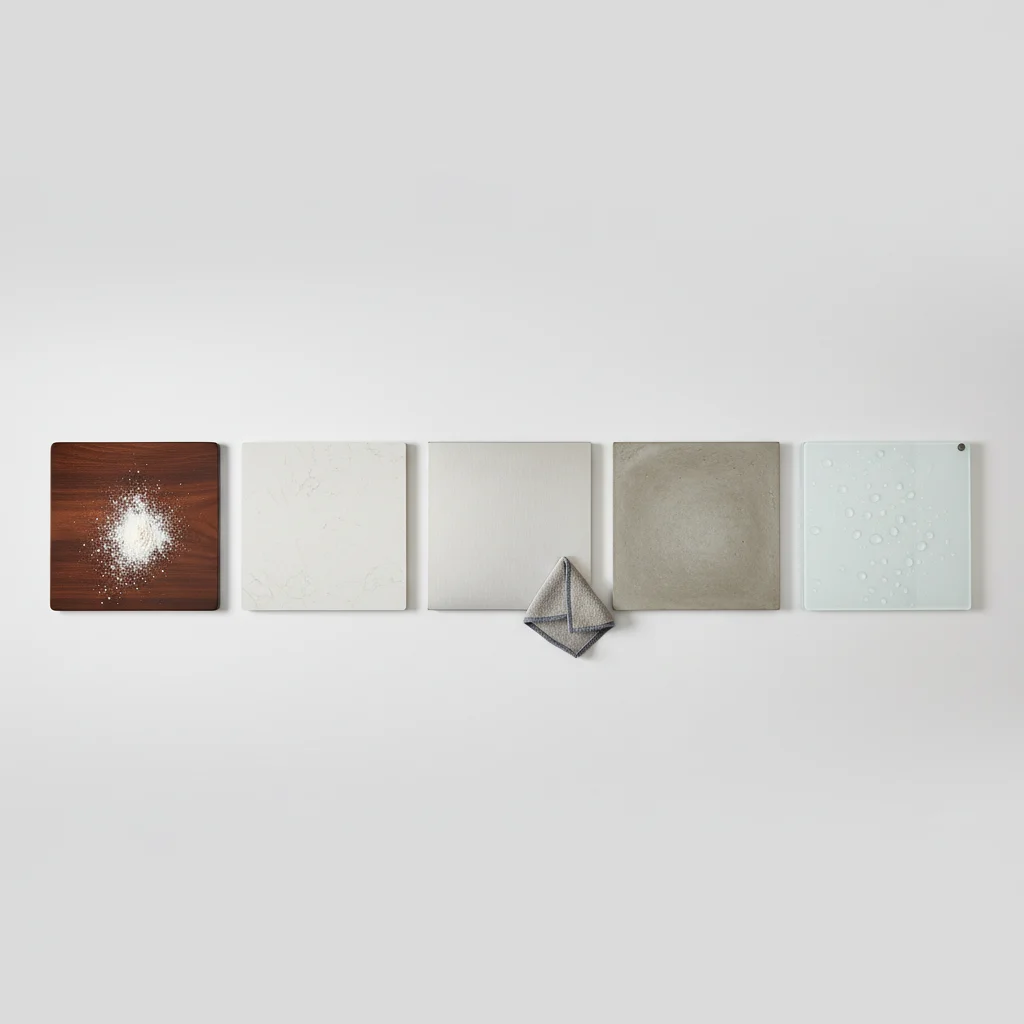
Choosing the right dining table finish is crucial for both aesthetics and long-term maintenance. When considering ease of care, a polyurethane finish stands out as the most user-friendly option, offering excellent protection against spills and scratches with minimal effort. Other finishes like lacquer and varnish also provide good durability, but polyurethane often leads the pack for everyday practicality in a busy household.
Understanding Different Dining Table Finishes
Dining table finishes are designed to protect the wood and enhance its appearance. Each type offers a different level of durability, resistance to wear, and aesthetic quality. Understanding these differences is key to selecting a finish that aligns with your lifestyle and maintenance expectations. From high-gloss to matte, the finish significantly impacts how your table will look and perform over time.
Some finishes penetrate the wood, offering protection from within, while others form a protective layer on the surface. Surface finishes generally provide better resistance to moisture and scratches, making them ideal for high-traffic areas like dining rooms. Penetrating finishes, while beautiful, often require more frequent reapplication and careful handling.
Polyurethane: The Low-Maintenance Champion
Polyurethane is a synthetic finish known for its exceptional durability and resistance to water, heat, and scratches. It forms a hard, clear plastic-like coating over the wood, effectively sealing it from daily wear and tear. This makes it incredibly easy to clean; most spills can be wiped away with a damp cloth without leaving a stain. Polyurethane is available in various sheens, from high-gloss to satin and matte, allowing for versatile design choices.
Its robust nature means less frequent reapplication compared to other finishes, saving you time and effort in the long run. For families with children or those who frequently entertain, a polyurethane-finished dining table is often the most practical choice.
Lacquer and Varnish: Durable Alternatives
|
Our Picks for the Best Dining Table in 2026
As an Amazon Associate I earn from qualifying purchases.
|
||
| Num | Product | Action |
|---|---|---|
| 1 | Signature Design by Ashley Bridson 6 Piece Dining Set, Includes Rectangular Dining Table, 4 Ladderback Chairs & Bench, Wood, 36" W x 60.13" D x 30" H, Gray |

|
| 2 | Walker Edison Durango Distressed Solid Wood Dining Table, 72 Inch, Mahogany |
|
| 3 | Winsome Groveland Wooden Square Dining Table |
|
| 4 | VECELO 3-Piece 63" Extendable Kitchen Table with Benches/Chairs, Modern Breakfast Dinette/Dining Room Set for 4/6/2, Small Space Saving Design, Easy Assembly |
|
| 5 | Signature Design by Ashley Coviar 5 Piece Counter Height Dining Set, Includes Table & 4 Barstools, Brown |
|
| 6 | CONSDAN Small Dining Table for 2, Extendable Dining Table, Walnut Veneer and Solid Wood Structure – Space-Saving Design, Ideal for Compact Dining Space and Expands for Larger Dining Areas |
|
| 7 | Dining Table for 6-8, 63" Large Kitchen Table, Industrial Dining Room Table, Wooden Rectangular Table with Adjustable Feet, for Dinner, Kitchen, Walnut and Black CZ03BH |
|
| 8 | East West Furniture NFT-BLK-T Norfolk Kitchen Table - a Rectangle Dining Table Top with Butterfly Leaf, 32x54 Inch, Black |
|
| 9 | IDEALHOUSE Dining Table Set for 4, Kitchen Table with Upholstered Bench, Rectangular Dining Room Table Set with 2 Benches, 3 Piece Kitchen Table Set for Small Space, Apartment, Studio, Rustic Brown |
|
| 10 | Black Round Dining Table for 6 - Modern Circle 51 Inch Large Room Kitchen Dinning Tables for 4 to 6 Person Seats Small Spaces Wood Dinner Mesa De Comedor Redonda |
|
Lacquer is another popular finish, known for its fast drying time and ability to create a smooth, hard surface. It offers good protection against moisture and scratches, though it can be more susceptible to chipping than polyurethane. Lacquer is often used for a high-gloss, modern aesthetic and is relatively easy to clean with a soft cloth.
Varnish, similar to polyurethane, provides a durable protective layer. It’s typically made from a resin, oil, and solvent blend, offering good resistance to water and abrasions. While slightly less durable than polyurethane, varnish still provides excellent protection and is a solid choice for a long-lasting dining table. It often brings out the natural warmth of the wood.
Oil and Wax Finishes: Natural Beauty, Higher Maintenance
Oil finishes, such as tung oil or linseed oil, penetrate the wood to enhance its natural grain and provide a soft, matte look. They offer some protection against moisture but are generally less durable than surface finishes like polyurethane or lacquer. Oil-finished tables require more frequent reapplication and are more prone to water rings and scratches, demanding more diligent care.
Wax finishes, often applied over an oil finish or directly to the wood, provide a subtle sheen and a degree of protection. However, wax is the least durable of the common finishes and needs regular reapplication to maintain its protective qualities. While beautiful, these natural finishes are best suited for households willing to commit to more frequent maintenance.
Factors to Consider When Choosing a Finish
- Durability: How much wear and tear will your table experience?
- Maintenance: How much time are you willing to dedicate to upkeep?
- Aesthetics: What look and feel do you want for your dining space?
- Cost: Some finishes are more expensive to apply or maintain.
- Environment: Consider VOC levels if environmental impact is a concern.
Conclusion
For the easiest maintenance and highest durability, a polyurethane finish is generally the top recommendation for dining tables. While oil and wax finishes offer a beautiful, natural aesthetic, they require more frequent care. Lacquer and varnish provide excellent alternatives with good durability and a range of aesthetic options. Ultimately, the best finish for your dining table will depend on your lifestyle, aesthetic preferences, and willingness to maintain it.
Get our weekly buyer guide
Practical specs, not advice. Unsubscribe anytime.

I’m so glad I read this before buying our new dining table! We have two young kids, so spills are a daily occurrence. The recommendation for a polyurethane finish was spot on. Our new table looks fantastic and I don’t have to stress about every little mess. It truly is super easy to wipe clean.
This was really helpful in understanding the different options. I ended up going with a table that has a varnish finish, and while it’s beautiful, I do find myself being a bit more careful with it than I expected. It’s durable enough for our needs, but I can see why polyurethane was highlighted for busy households. Still, no regrets on the aesthetic.
Excellent advice! I was torn between a few tables, but after reading about the ease of care for polyurethane, it made my decision much simpler. We entertain a lot, and I needed something that could withstand frequent use without constant worrying. My new table is perfect and looks great in our dining room.
I appreciated the breakdown of finishes, but I was hoping for a bit more detail on how to repair minor scratches on a lacquer finish. My current table has lacquer and it’s starting to show some wear. While the information on new purchases was good, I needed more for maintaining what I already have. It’s still a good overview though.