Choosing between a wood or glass dining table depends on your aesthetic preferences, lifestyle, and maintenance commitment. Wood tables offer timeless warmth and durability, ideal for traditional or rustic settings, while glass tables provide a modern, airy feel that enhances smaller spaces. Both materials have distinct advantages and disadvantages regarding cost, maintenance, and style, making the best choice highly individual.
Popular Dining Table Types
The dining table is often the heart of a home, a gathering place for family and friends. Understanding the characteristics of different materials is crucial for making an informed choice. While wood and glass are popular, other materials also offer distinct advantages and disadvantages that cater to various tastes and practical needs.
Wood Dining Tables
Wood dining tables are a timeless choice, cherished for their natural beauty and durability. They bring warmth and sophistication to any dining area, making them a popular staple in many homes. The variety of wood types, from oak to walnut, offers diverse grain patterns and color tones.
- Advantages: Elegant, warm, highly durable, and can last for generations with proper care. Wood tables often add a sense of tradition and comfort.
- Disadvantages: Can be expensive, susceptible to scratches, dents, and moisture damage if not properly sealed or maintained. Some softer woods may be prone to warping.
Glass Dining Tables
Glass dining tables offer a contemporary and airy aesthetic, ideal for modern homes and smaller spaces. Their transparency creates an illusion of openness, making a room feel larger and brighter. They come in various finishes, including clear, frosted, or tinted glass.
- Advantages: Modern, easy to clean, creates a spacious feel, and complements almost any decor style. Glass surfaces are resistant to heat and moisture.
- Disadvantages: Prone to fingerprints and smudges, can appear fragile, and may chip or break if subjected to heavy impact. Some find glass surfaces cold to the touch.
Metal Dining Tables
Metal dining tables, often featuring stainless steel, wrought iron, or aluminum, offer industrial chic and robust durability. They are highly resilient and can withstand significant wear and tear, making them suitable for high-traffic areas.
- Advantages: Extremely durable, easy to clean, and provides a sleek, industrial, or minimalist look. Metal frames can be combined with other materials for diverse styles.
- Disadvantages: Can be noisy, may feel less warm than wood, and some metals can be prone to scratching or tarnishing over time.
Stone Top Dining Tables
Stone top dining tables, crafted from materials like marble, granite, or quartz, exude luxury and sophistication. Each stone slab is unique, offering distinct veining and patterns that make every table a statement piece.
- Advantages: Highly luxurious, heat-resistant, scratch-resistant (especially granite), and relatively easy to clean. They are exceptionally durable and unique.
- Disadvantages: High cost, extremely heavy, and can feel cold. Porous stones like marble require sealing to prevent stains and can be susceptible to etching from acidic liquids.
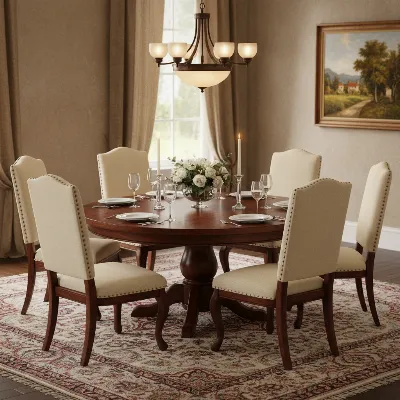 An elegant wooden dining table with chairs in a warm, inviting dining room, showcasing a natural grain and comfortable setting.
Buying Guide: Selecting Your Ideal Dining Table
Choosing a dining table involves more than just picking a pretty piece; it requires careful consideration of your lifestyle, space, and aesthetic preferences. This guide will walk you through the essential factors to ensure your new dining table is a perfect fit.
Determining the Right Size
|
Our Picks for the Best Dining Table in 2026
As an Amazon Associate I earn from qualifying purchases.
|
||
| Num | Product | Action |
|---|---|---|
| 1 | East West Furniture NFT-BLK-T Norfolk Kitchen Table - a Rectangle Dining Table Top with Butterfly Leaf, 32x54 Inch, Black |

|
| 2 | Dining Table for 6-8, 63" Large Kitchen Table, Industrial Dining Room Table, Wooden Rectangular Table with Adjustable Feet, for Dinner, Kitchen, Walnut and Black CZ03BH |
|
| 3 | Walker Edison Durango Distressed Solid Wood Dining Table, 72 Inch, Mahogany |
|
| 4 | CONSDAN Small Dining Table for 2, Extendable Dining Table, Walnut Veneer and Solid Wood Structure – Space-Saving Design, Ideal for Compact Dining Space and Expands for Larger Dining Areas |
|
| 5 | Winsome Groveland Wooden Square Dining Table |
|
| 6 | Signature Design by Ashley Coviar 5 Piece Counter Height Dining Set, Includes Table & 4 Barstools, Brown |
|
| 7 | Signature Design by Ashley Bridson 6 Piece Dining Set, Includes Rectangular Dining Table, 4 Ladderback Chairs & Bench, Wood, 36" W x 60.13" D x 30" H, Gray |
|
| 8 | Black Round Dining Table for 6 - Modern Circle 51 Inch Large Room Kitchen Dinning Tables for 4 to 6 Person Seats Small Spaces Wood Dinner Mesa De Comedor Redonda |
|
| 9 | VECELO 3-Piece 63" Extendable Kitchen Table with Benches/Chairs, Modern Breakfast Dinette/Dining Room Set for 4/6/2, Small Space Saving Design, Easy Assembly |
|
| 10 | IDEALHOUSE Dining Table Set for 4, Kitchen Table with Upholstered Bench, Rectangular Dining Room Table Set with 2 Benches, 3 Piece Kitchen Table Set for Small Space, Apartment, Studio, Rustic Brown |
|
The size of your dining table is paramount, influencing both functionality and room flow. Consider the number of people you typically host and the dimensions of your dining area to find the perfect fit.
- Family Size: A small family of two to four might prefer a compact table, while larger families or frequent entertainers will need more seating capacity.
- Room Dimensions: Measure your dining room carefully. Ensure there’s at least 36-48 inches (90-120 cm) of clearance around the table for chairs to be pulled out comfortably and for people to walk around.
- Table Shape: Rectangular tables are efficient for long, narrow rooms, while round tables work well in smaller, square spaces, promoting intimacy.
Choosing the Material
The material of your dining table sets the tone for your entire dining space and impacts its durability and maintenance needs. Weigh the pros and cons of each to align with your personal style and practical requirements.
- Overall Interior Style: A rustic home might call for a solid wood table, while a modern minimalist space could benefit from a sleek glass or metal design.
- Durability and Maintenance: If you have young children or entertain frequently, opt for materials that are easy to clean and resistant to wear, such as treated wood, tempered glass, or stone.
- Budget: Materials like solid hardwood and natural stone are typically more expensive than glass or engineered wood. Set a budget before you start shopping to narrow down your options.
Dining Table Styles
The shape of your dining table significantly impacts the room’s flow and the interaction among diners. Each shape offers distinct advantages, catering to different space requirements and social dynamics.
- Round Tables: Ideal for fostering conversation and a sense of closeness. They are excellent for small spaces as they have no sharp corners and can often fit more people in a compact area.
- Rectangular Tables: The most common and versatile shape, fitting well in most dining rooms. They are perfect for larger gatherings and can easily be extended.
- Square Tables: Best suited for square rooms or smaller dining areas. They provide an intimate setting for small groups, offering equal access to everyone.
Notes on Dining Table Height
Standard dining table height typically ranges from 28 to 30 inches (70-75 cm). This height is designed to be comfortable for most adults when seated in standard dining chairs, which usually have a seat height of 18-20 inches (45-50 cm). Ensuring the correct height allows for comfortable dining and prevents awkward seating positions. Always measure both the table and the chairs if buying them separately to ensure they are compatible.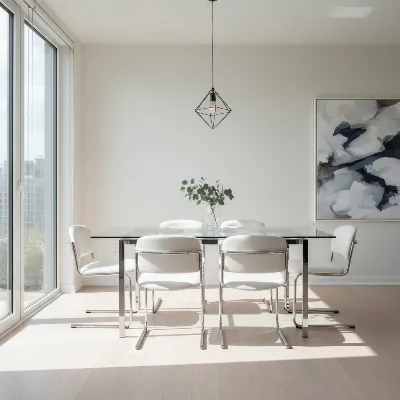 A stylish glass dining table with contemporary chairs in a bright, minimalist dining area, emphasizing its reflective surface and open feel.
Comparison Table: Wood vs. Glass vs. Metal vs. Stone Dining Tables
To help you visualize the differences, here’s a comparative overview of the most common dining table materials:
| Criterion | Wood Dining Table | Glass Dining Table | Metal Dining Table | Stone Dining Table |
|---|---|---|---|---|
| Durability | High | Medium | High | High |
| Maintenance | Moderate (prone to scratches, requires polishing) | Easy (wipes clean, shows fingerprints) | Easy (wipes clean, rust-resistant) | Moderate (can stain, requires sealing for porous stone) |
| Cost | High | Medium | Medium | High |
| Style | Warm, traditional, rustic | Modern, minimalist, airy | Industrial, contemporary | Luxurious, sophisticated |
| Appearance | Natural grain, varying colors | Transparent, reflective | Sleek, often metallic sheen | Unique veining, elegant |
| Heat Resistance | Medium (requires coasters) | High | High | High |
| Scratch Resistance | Medium (can scratch/dent) | Medium (can scratch, shows wear) | High | High (especially granite) |
> “The dining table is more than just furniture; it’s the anchor of family life. Investing in a material that truly matches your daily routine and aesthetic vision ensures lasting satisfaction.” – Maria Chen, Interior Design Consultant
Reputable Dining Table Brands
When investing in a dining table, choosing a reputable brand ensures quality craftsmanship, durable materials, and reliable customer service. Here are a few brands known for their excellence in the dining furniture market:
Crate & Barrel
Crate & Barrel is renowned for its timeless and contemporary furniture designs, offering a wide array of dining tables in various materials, including solid wood, glass, and mixed materials. Their pieces are known for their durability and stylish aesthetics, fitting seamlessly into diverse home decors. They often feature sustainable sourcing practices and offer customizability options.
West Elm
West Elm focuses on modern, mid-century inspired designs with an emphasis on sustainability and artisanal craftsmanship. Their dining table collections include elegant wood pieces, often crafted from reclaimed or sustainably sourced wood, as well as chic glass-top tables with unique bases. They are a great choice for those seeking trend-forward designs with an ethical approach.
Pottery Barn
Pottery Barn is celebrated for its classic, comfortable, and quality home furnishings. Their dining tables often feature robust hardwood construction, offering a range of styles from rustic farmhouse to refined traditional. They are known for their sturdy build and pieces that are designed to last, making them a solid investment for family homes.
Maintenance Tips for Your Dining Table
Proper care is essential to preserve the beauty and longevity of your dining table, regardless of its material. Regular maintenance can protect your investment and keep your table looking new for years to come.
For Wood Dining Tables
Wood is a living material that requires consistent care to prevent damage and maintain its luster.
- Protect from Elements: Avoid direct sunlight and extreme temperature changes, which can cause warping or fading. Use coasters and placemats to protect against heat and moisture.
- Clean Gently: Dust regularly with a soft, dry cloth. For spills, wipe immediately with a slightly damp cloth and then dry thoroughly. Use wood-specific cleaners and polishes periodically.
- Regular Polishing: Polish your wood table every few months with a high-quality wood polish to nourish the wood and enhance its natural shine.
For Glass Dining Tables
Glass tables, while easy to clean, require specific care to maintain their pristine, streak-free appearance and prevent damage.
- Daily Cleaning: Wipe with a microfiber cloth and a glass cleaner to remove fingerprints and smudges. Avoid abrasive cleaners or sponges that can scratch the surface.
- Prevent Scratches: Use placemats and coasters to minimize contact with hard or rough objects. Be cautious when placing heavy items on the table.
- Handle with Care: While tempered glass is strong, it can still chip or shatter under extreme impact. Avoid dropping heavy objects on the surface.
For Metal Dining Tables
Metal tables are generally low-maintenance but benefit from regular cleaning to prevent tarnish or dullness.
- Wipe Down: Clean with a damp cloth and mild soap solution. Dry immediately to prevent water spots, especially on stainless steel.
- Avoid Harsh Chemicals: Do not use abrasive cleaners or steel wool, as these can scratch or damage the finish.
- Check for Rust: For outdoor metal tables, regularly check for signs of rust and address them promptly with appropriate rust treatments.
Conclusion
Choosing between a wood and glass dining table, or indeed any other material, ultimately boils down to a blend of personal preference, functional needs, and the overall aesthetic of your home. Wood offers warmth, durability, and a classic appeal that can withstand changing trends, while glass provides a modern, airy feel, perfect for creating an illusion of space and effortless elegance. Metal and stone options further expand the possibilities, catering to specific design preferences and durability requirements. By carefully considering factors like size, style, material properties, and maintenance, you can make an informed decision that ensures your dining table will be a cherished centerpiece for years to come. What kind of dining table best reflects your unique style and daily life?
Frequently Asked Questions
What are the main benefits of a wooden dining table?
Wooden dining tables are highly valued for their timeless aesthetic, natural warmth, and exceptional durability. They can last for decades with proper care, offering a classic and inviting atmosphere that complements a wide range of interior designs.
Why should I consider a glass dining table?
Glass dining tables are an excellent choice for modern homes and smaller spaces. Their transparent surface helps a room feel more open and brighter, and they are remarkably easy to clean, making them a practical and stylish option for contemporary living.
Are glass dining tables safe for homes with children?
Modern glass dining tables typically use tempered glass, which is much stronger and safer than standard glass. If it breaks, it shatters into small, blunt pieces rather than sharp shards. However, supervision is always recommended, and some prefer wood for extra peace of mind.
How do I protect my wood dining table from scratches and water marks?
To protect your wood dining table, consistently use placemats and coasters during meals. Clean spills immediately with a soft, dry cloth. Regularly apply a quality wood polish or wax to create a protective barrier and maintain the wood’s finish.
Which dining table material is the most durable?
Both high-quality wood (like oak or walnut) and stone (like granite) are extremely durable. Metal tables are also highly resilient. Glass tables, particularly those made with tempered glass, are durable for daily use but are more susceptible to chips or shattering from heavy impact compared to solid wood or stone.
Frequently Asked Questions
What are the main benefits of a wooden dining table?
Wooden dining tables are highly valued for their timeless aesthetic, natural warmth, and exceptional durability. They can last for decades with proper care, offering a classic and inviting atmosphere that complements a wide range of interior designs.
Why should I consider a glass dining table?
Glass dining tables are an excellent choice for modern homes and smaller spaces. Their transparent surface helps a room feel more open and brighter, and they are remarkably easy to clean, making them a practical and stylish option for contemporary living.
Are glass dining tables safe for homes with children?
Modern glass dining tables typically use tempered glass, which is much stronger and safer than standard glass. If it breaks, it shatters into small, blunt pieces rather than sharp shards. However, supervision is always recommended, and some prefer wood for extra peace of mind.
How do I protect my wood dining table from scratches and water marks?
To protect your wood dining table, consistently use placemats and coasters during meals. Clean spills immediately with a soft, dry cloth. Regularly apply a quality wood polish or wax to create a protective barrier and maintain the wood's finish.
Which dining table material is the most durable?
Both high-quality wood (like oak or walnut) and stone (like granite) are extremely durable. Metal tables are also highly resilient. Glass tables, particularly those made with tempered glass, are durable for daily use but are more susceptible to chips or shattering from heavy impact compared to solid wood or stone.
Get our weekly buyer guide
Practical specs, not advice. Unsubscribe anytime.

After reading about the durability of wood tables, I felt confident in investing in a solid mahogany dining set. We have a busy household with young kids, and I needed something that could withstand daily use. It’s held up wonderfully so far, and the natural beauty of the wood really makes our dining room feel inviting. Definitely the right choice for our lifestyle.
I liked the idea of a glass table for its modern feel, and it does look great in our dining room. However, the constant cleaning to avoid fingerprints and smudges is a bit of a hassle. I wish I had considered the maintenance commitment more before buying. It’s not terrible, but definitely something to keep in mind if you have kids or entertain often.
I was really torn between a wood and glass table for our new apartment. We have a smaller dining area, and the mention of glass tables enhancing smaller spaces really resonated with me. We went with a round glass top, and it truly makes the room feel so much more open and modern. It’s also surprisingly sturdy, which was a concern I had initially.
We’ve always had wood tables, and I appreciate the timeless warmth they bring to a home. Our last one was solid oak and lasted forever. This time, we opted for a reclaimed wood table, and while it’s beautiful, the maintenance is a bit more than I expected. You really have to be careful with spills, but the rustic look is exactly what we wanted for our farmhouse-style kitchen.