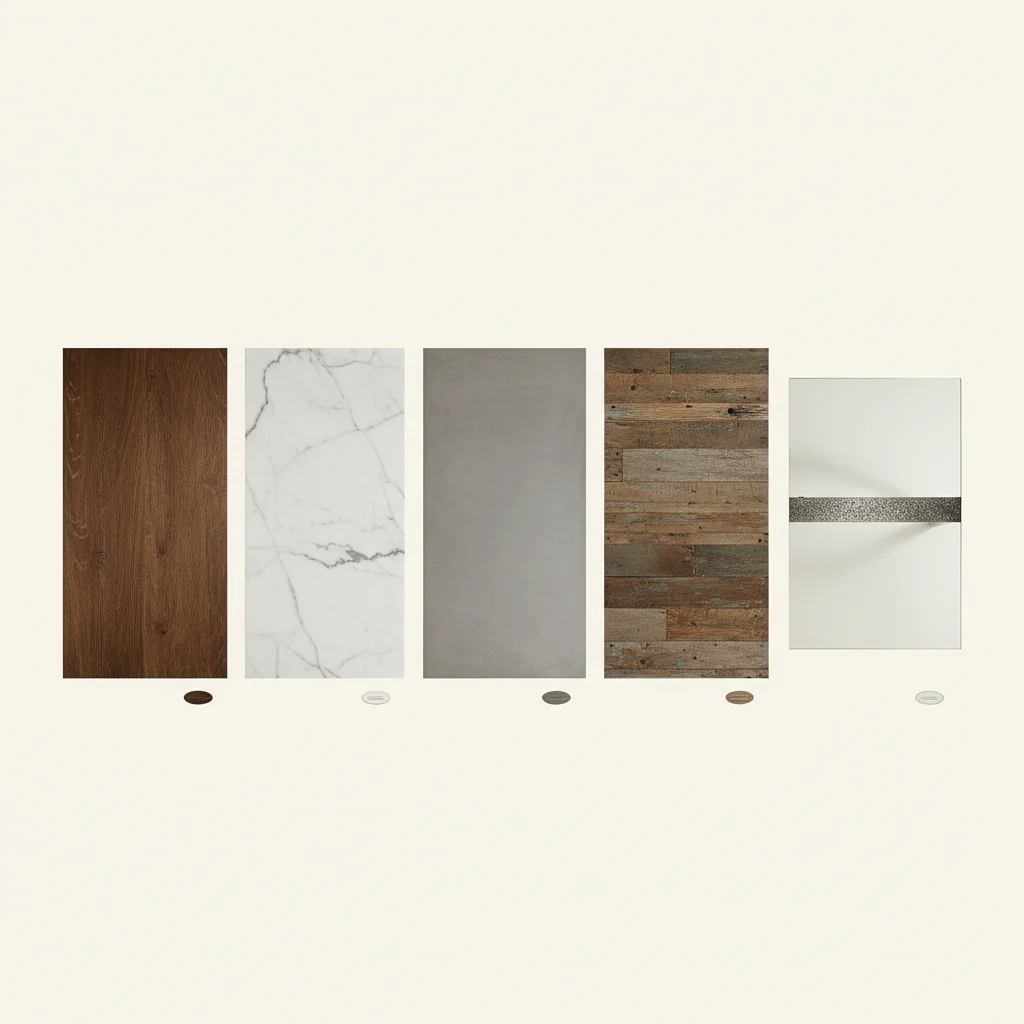
Choosing the right dining table finish is crucial for both aesthetics and durability, with five primary types dominating the market: lacquer, varnish, oil, wax, and paint. Each offers distinct advantages in terms of appearance, protection, and maintenance, making the selection dependent on your lifestyle and desired look.
Understanding Lacquer Finishes for Dining Tables
Lacquer provides a hard, durable, and often high-gloss finish that is resistant to water and scratches. It’s a popular choice for modern and contemporary dining tables due to its sleek appearance and ability to highlight the wood grain underneath. While highly protective, lacquer can be prone to chipping if struck with significant force, and repairs can be challenging, often requiring professional intervention. Regular dusting and occasional wiping with a damp cloth are usually sufficient for maintenance.
The Benefits of Varnish Finishes
Varnish, typically a blend of oil, resin, and solvent, offers excellent protection against moisture, heat, and general wear. It creates a clear, hard film over the wood, enhancing its natural beauty without significantly altering its color. Varnish finishes range from matte to high-gloss, providing versatility for various design preferences. Unlike lacquer, varnish is generally more forgiving to minor impacts and can be spot-repaired more easily. It’s a robust choice for busy households and offers long-lasting durability with minimal upkeep.
Exploring Oil Finishes for Natural Beauty
Oil finishes, such as tung oil or linseed oil, penetrate the wood fibers rather than forming a surface film. This results in a natural, matte look that emphasizes the wood’s texture and grain. Oil finishes are known for their ability to allow the wood to breathe and age gracefully, developing a rich patina over time. While they offer good protection against moisture, they are less resistant to scratches and heat than lacquer or varnish. Regular reapplication of oil, typically every 6-12 months, is necessary to maintain their protective qualities and appearance. This hands-on maintenance appeals to those who appreciate the tactile feel of natural wood.
- Enhances natural wood grain and texture.
- Allows wood to breathe and age gracefully.
- Easy to repair minor scratches and imperfections.
- Requires regular reapplication for optimal protection.
- Provides a warm, inviting, and natural aesthetic.
The Charm and Protection of Wax Finishes
|
Our Picks for the Best Dining Table in 2026
As an Amazon Associate I earn from qualifying purchases.
|
||
| Num | Product | Action |
|---|---|---|
| 1 | Black Round Dining Table for 6 - Modern Circle 51 Inch Large Room Kitchen Dinning Tables for 4 to 6 Person Seats Small Spaces Wood Dinner Mesa De Comedor Redonda |

|
| 2 | Winsome Groveland Wooden Square Dining Table |
|
| 3 | Dining Table for 6-8, 63" Large Kitchen Table, Industrial Dining Room Table, Wooden Rectangular Table with Adjustable Feet, for Dinner, Kitchen, Walnut and Black CZ03BH |
|
| 4 | East West Furniture NFT-BLK-T Norfolk Kitchen Table - a Rectangle Dining Table Top with Butterfly Leaf, 32x54 Inch, Black |
|
| 5 | VECELO 3-Piece 63" Extendable Kitchen Table with Benches/Chairs, Modern Breakfast Dinette/Dining Room Set for 4/6/2, Small Space Saving Design, Easy Assembly |
|
| 6 | Signature Design by Ashley Bridson 6 Piece Dining Set, Includes Rectangular Dining Table, 4 Ladderback Chairs & Bench, Wood, 36" W x 60.13" D x 30" H, Gray |
|
| 7 | Signature Design by Ashley Coviar 5 Piece Counter Height Dining Set, Includes Table & 4 Barstools, Brown |
|
| 8 | IDEALHOUSE Dining Table Set for 4, Kitchen Table with Upholstered Bench, Rectangular Dining Room Table Set with 2 Benches, 3 Piece Kitchen Table Set for Small Space, Apartment, Studio, Rustic Brown |
|
| 9 | Walker Edison Durango Distressed Solid Wood Dining Table, 72 Inch, Mahogany |
|
| 10 | CONSDAN Small Dining Table for 2, Extendable Dining Table, Walnut Veneer and Solid Wood Structure – Space-Saving Design, Ideal for Compact Dining Space and Expands for Larger Dining Areas |
|
Wax finishes, often made from beeswax or carnauba wax, provide a soft, low-sheen luster that feels smooth to the touch. They offer a degree of protection against moisture and minor scratches but are generally less durable than other finishes. Wax is often used over other finishes, like oil, to add an extra layer of protection and a subtle sheen. It’s particularly favored for antique or rustic dining tables where a natural, aged look is desired. Maintenance involves periodic reapplication and buffing to restore its protective qualities and shine.
Considering Painted Finishes for Versatility
Painted finishes offer the widest range of color options, allowing for complete customization to match any decor. Paint completely covers the wood grain, providing a uniform and opaque surface. This finish is excellent for hiding imperfections in the wood and can be easily updated with a new coat of paint. While paint offers good protection against daily wear, it can be prone to chipping and scratching, especially in high-traffic areas. Repairs are relatively straightforward, often involving sanding and repainting the affected area. Painted dining tables are a popular choice for farmhouse, shabby chic, and eclectic interior styles, offering a fresh and personalized look.
Get our weekly buyer guide
Practical specs, not advice. Unsubscribe anytime.

I was so torn on what finish to get for our new dining table, but the breakdown of lacquer finishes really helped me decide. We have a busy household with kids, so the water and scratch resistance was a huge selling point. It looks fantastic in our modern dining room and truly highlights the wood grain beautifully. So glad I went with it!
This guide was a lifesaver! I was considering a painted table for a pop of color, but after reading about the durability and maintenance of wax finishes, I pivoted. My new table with a wax finish has such a soft, inviting glow and feels so natural. It’s perfect for our cozy, rustic dining area.
We ended up going with a varnished table after reading about the different options. I appreciate the balance it strikes between protection and a more natural feel. It’s holding up well to daily use, though I do find myself wiping it down more often than I expected. Still, it was a great choice for our farmhouse style.
I chose an oil finish for my dining table because I loved the idea of easy, at-home repairs. While it does look lovely and natural, I’ve found it requires more frequent reapplication than I anticipated to keep it looking its best. It’s a bit more maintenance than I was prepared for, but the aesthetic is hard to beat.