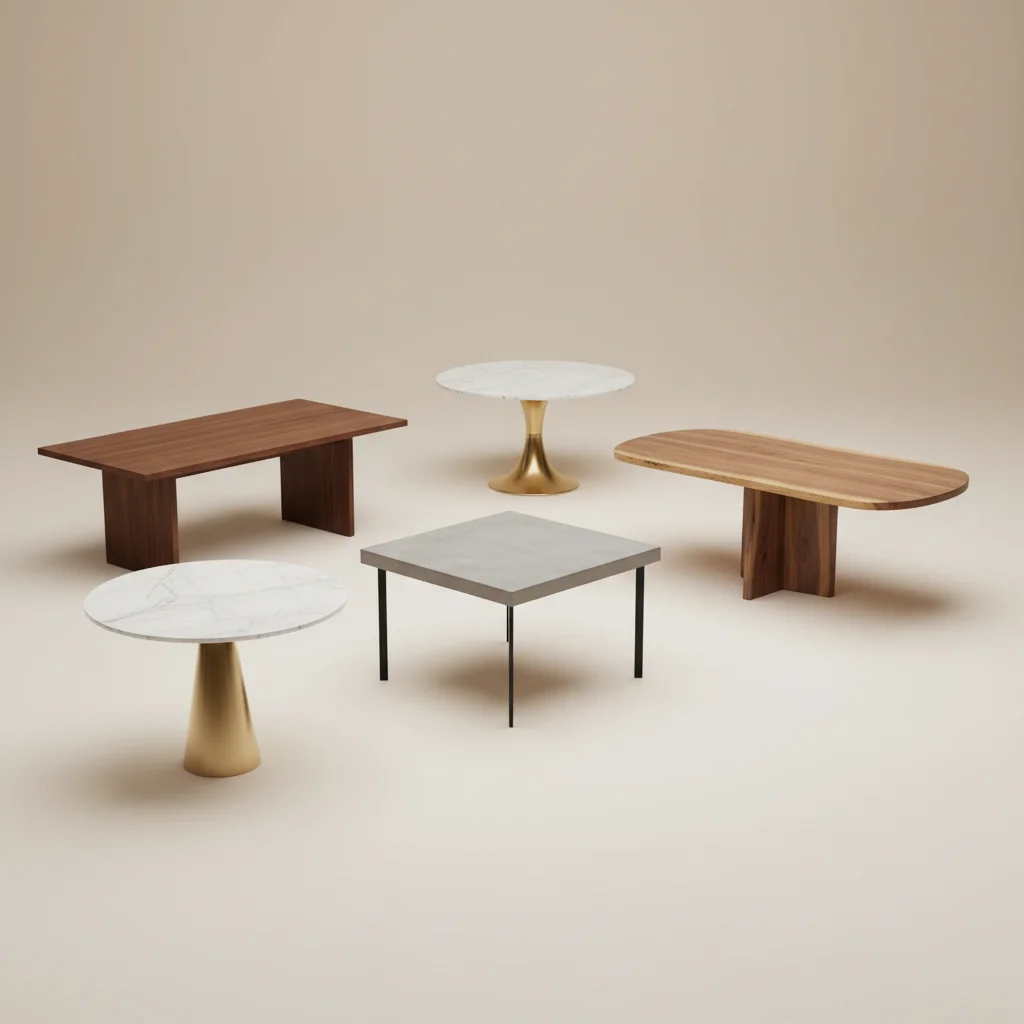
Choosing the right dining table shape is crucial for optimizing both the aesthetics and functionality of your dining area. The ideal shape depends on several factors, including room dimensions, traffic flow, and the number of people you typically host. For most homes, a rectangular or round table will be the most suitable choice, accommodating various layouts and social dynamics.
Rectangular Dining Tables: The Versatile Classic
Rectangular dining tables are by far the most popular choice, and for good reason. Their elongated shape makes them perfect for larger, rectangular rooms, providing ample surface area for meals and gatherings. They are also highly efficient for seating multiple guests, as chairs can be easily added along the longer sides. When considering a rectangular table, ensure there’s at least 36 inches of clearance around all sides for comfortable movement. For dining tables buying guides on this site.
This shape is particularly well-suited for formal dining rooms or open-plan living spaces where it can help define the dining zone. Many extendable options are available in rectangular designs, offering flexibility for everyday use and larger dinner parties.
Round Dining Tables: Fostering Intimacy and Flow
Round dining tables excel at creating a cozy, intimate atmosphere, encouraging conversation among all diners. Without corners, they also promote better traffic flow in smaller or irregularly shaped rooms, making them a smart choice for compact kitchens or dining nooks. A 48-inch round table can comfortably seat four people, while a 60-inch table can accommodate six.
The absence of sharp edges also makes round tables a safer option in homes with young children. They are visually softer and can help break up the linearity of a room. However, they generally offer less surface area than a rectangular table of comparable footprint, which can be a consideration for large serving dishes.
Square Dining Tables: Compact and Symmetrical
|
Our Picks for the Best Dining Table in 2026
As an Amazon Associate I earn from qualifying purchases.
|
||
| Num | Product | Action |
|---|---|---|
| 1 | Signature Design by Ashley Coviar 5 Piece Counter Height Dining Set, Includes Table & 4 Barstools, Brown |

|
| 2 | CONSDAN Small Dining Table for 2, Extendable Dining Table, Walnut Veneer and Solid Wood Structure – Space-Saving Design, Ideal for Compact Dining Space and Expands for Larger Dining Areas |
|
| 3 | Black Round Dining Table for 6 - Modern Circle 51 Inch Large Room Kitchen Dinning Tables for 4 to 6 Person Seats Small Spaces Wood Dinner Mesa De Comedor Redonda |
|
| 4 | East West Furniture NFT-BLK-T Norfolk Kitchen Table - a Rectangle Dining Table Top with Butterfly Leaf, 32x54 Inch, Black |
|
| 5 | Signature Design by Ashley Bridson 6 Piece Dining Set, Includes Rectangular Dining Table, 4 Ladderback Chairs & Bench, Wood, 36" W x 60.13" D x 30" H, Gray |
|
| 6 | VECELO 3-Piece 63" Extendable Kitchen Table with Benches/Chairs, Modern Breakfast Dinette/Dining Room Set for 4/6/2, Small Space Saving Design, Easy Assembly |
|
| 7 | Dining Table for 6-8, 63" Large Kitchen Table, Industrial Dining Room Table, Wooden Rectangular Table with Adjustable Feet, for Dinner, Kitchen, Walnut and Black CZ03BH |
|
| 8 | IDEALHOUSE Dining Table Set for 4, Kitchen Table with Upholstered Bench, Rectangular Dining Room Table Set with 2 Benches, 3 Piece Kitchen Table Set for Small Space, Apartment, Studio, Rustic Brown |
|
| 9 | Winsome Groveland Wooden Square Dining Table |
|
| 10 | Walker Edison Durango Distressed Solid Wood Dining Table, 72 Inch, Mahogany |
|
Square dining tables are an excellent option for square rooms or smaller dining areas where symmetry is desired. They offer an intimate dining experience similar to round tables, with everyone equally distanced. A 36-inch square table is ideal for two to four people, making it perfect for couples or small families.
While they are space-efficient for their seating capacity, square tables can feel less versatile than rectangular ones when it comes to accommodating extra guests. They work best in dedicated dining spaces rather than open-plan layouts where they might disrupt flow.
Oval Dining Tables: Elegant and Spacious
Oval dining tables combine the best features of rectangular and round tables. They offer the generous surface area of a rectangular table but with the softer edges and improved traffic flow of a round table. This makes them an elegant choice for longer, narrower rooms where a rectangular table might feel too imposing, or a round table too small.
The curved edges of an oval table can also make a room feel more open and less cluttered. They are particularly effective in transitional or contemporary decor styles, adding a touch of sophistication. Consider an oval table if you frequently host medium-sized gatherings and want a balance of style and practicality.
Key Considerations When Choosing a Shape
- Room Dimensions: Measure your dining area carefully to ensure adequate clearance around the table.
- Seating Capacity: Determine how many people you need to seat regularly and occasionally.
- Traffic Flow: Assess how people move through the space to avoid obstructions.
- Aesthetics: Consider how the table shape will complement your existing decor and room architecture.
- Lifestyle: Think about how you use your dining table – for daily meals, entertaining, or both.
Get our weekly buyer guide
Practical specs, not advice. Unsubscribe anytime.
