The West Elm Mid-Century Expandable Dining Table is a compelling choice for those seeking a blend of classic design and modern adaptability, offering timeless elegance with its mid-century aesthetic and practical versatility through its expandable feature. This table typically features a kiln-dried solid wood base and legs with an engineered wood top finished with a wood veneer, providing stability and durability at an accessible price point. Its design allows it to transition seamlessly from intimate family dinners to larger gatherings, accommodating 6-8 people comfortably when extended.
Popular Dining Table Types
Understanding various dining table types helps appreciate the West Elm Mid-Century Expandable Dining Table’s unique position in the market. Each material and design offers distinct advantages and disadvantages, catering to different aesthetic preferences and functional needs. From the rustic appeal of solid wood to the sleek lines of glass, the choices are abundant.
Wooden Dining Tables
Wooden tables exude warmth and classic sophistication, making them a perennial favorite in many households. Their natural grain and robust construction contribute to a welcoming atmosphere. For best dining tables roundups on this site.
- Pros: Elegant, warm, highly durable. Wood can last for decades with proper care, often becoming more beautiful with age. It offers a timeless aesthetic that complements various decor styles.
- Cons: Higher price point, susceptible to scratches and water damage if not maintained. Certain wood types can also be vulnerable to pests without appropriate treatment.
Glass Dining Tables
Glass tables provide a sense of lightness and modernity, making small spaces feel larger and more open. Their transparency allows other design elements in the room to shine through.
- Pros: Modern aesthetic, easy to clean, creates an illusion of space. Glass surfaces are non-porous, simplifying spills and everyday maintenance.
- Cons: Fragile, prone to fingerprints and smudges. Glass can chip or break under heavy impact, and constant wiping is often needed to keep it pristine.
Metal Dining Tables
Metal dining tables, often featuring industrial or contemporary designs, are known for their strength and distinctive character. They bring a robust and urban edge to a dining area.
- Pros: Extremely durable, low maintenance, industrial style. Metal resists wear and tear well and is generally very easy to clean with a damp cloth.
- Cons: Can be noisy in use, may feel less inviting than wood. The material can also show scratches or dents more visibly over time, depending on the finish.
Stone Top Dining Tables
Stone top tables, like marble or granite, offer unparalleled luxury and resistance, becoming a statement piece in any dining room. Their unique veining and cool touch are highly desirable.
- Pros: Luxurious, heat-resistant, very easy to clean. Stone surfaces are inherently elegant and can withstand hot dishes without damage, while spills wipe away effortlessly.
- Cons: High cost, can feel cold to the touch. Stone tables are also very heavy, making them difficult to move, and some types require sealing to prevent stains.
A Closer Look at the West Elm Mid-Century Expandable Dining Table
The West Elm Mid-Century Expandable Dining Table stands out by marrying the iconic style of the 1950s and 60s with essential modern functionality. Its clean lines, tapered legs, and warm wood finish are quintessential mid-century, bringing a sophisticated yet approachable elegance to any dining space. The primary appeal, beyond its aesthetics, is its expandability. This feature allows the table to transition seamlessly from intimate family dinners to larger gatherings, solving a common dilemma for many homeowners.
The construction typically features a solid wood frame with a veneer top, offering durability while keeping the price point accessible compared to solid wood throughout. The choice of materials and thoughtful design ensure that this table is not just beautiful but also built to last, providing a reliable foundation for countless meals and memories. Its adaptability truly makes it a versatile piece, accommodating changing needs without compromising on style.
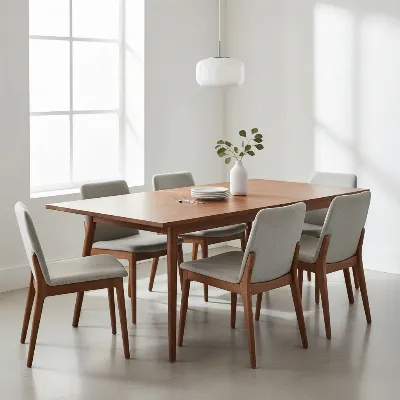 A sleek West Elm Mid-Century Expandable Dining Table with its leaf extended, showcasing its versatility for family gatherings.
Buying Guide: Selecting Your Ideal Dining Table
Choosing the right dining table involves more than just picking a pretty design; it requires careful consideration of your lifestyle, space, and aesthetic preferences. A well-chosen table can improve your dining experience and serve as a functional cornerstone for years to come.
Determining the Right Size
|
Our Picks for the Best Dining Table in 2026
As an Amazon Associate I earn from qualifying purchases.
|
||
| Num | Product | Action |
|---|---|---|
| 1 | VECELO 3-Piece 63" Extendable Kitchen Table with Benches/Chairs, Modern Breakfast Dinette/Dining Room Set for 4/6/2, Small Space Saving Design, Easy Assembly |

|
| 2 | Signature Design by Ashley Coviar 5 Piece Counter Height Dining Set, Includes Table & 4 Barstools, Brown |
|
| 3 | Black Round Dining Table for 6 - Modern Circle 51 Inch Large Room Kitchen Dinning Tables for 4 to 6 Person Seats Small Spaces Wood Dinner Mesa De Comedor Redonda |
|
| 4 | East West Furniture NFT-BLK-T Norfolk Kitchen Table - a Rectangle Dining Table Top with Butterfly Leaf, 32x54 Inch, Black |
|
| 5 | Winsome Groveland Wooden Square Dining Table |
|
| 6 | IDEALHOUSE Dining Table Set for 4, Kitchen Table with Upholstered Bench, Rectangular Dining Room Table Set with 2 Benches, 3 Piece Kitchen Table Set for Small Space, Apartment, Studio, Rustic Brown |
|
| 7 | CONSDAN Small Dining Table for 2, Extendable Dining Table, Walnut Veneer and Solid Wood Structure – Space-Saving Design, Ideal for Compact Dining Space and Expands for Larger Dining Areas |
|
| 8 | Signature Design by Ashley Bridson 6 Piece Dining Set, Includes Rectangular Dining Table, 4 Ladderback Chairs & Bench, Wood, 36" W x 60.13" D x 30" H, Gray |
|
| 9 | Dining Table for 6-8, 63" Large Kitchen Table, Industrial Dining Room Table, Wooden Rectangular Table with Adjustable Feet, for Dinner, Kitchen, Walnut and Black CZ03BH |
|
| 10 | Walker Edison Durango Distressed Solid Wood Dining Table, 72 Inch, Mahogany |
|
The size of your dining table is paramount for both comfort and practical use. It dictates how many people you can comfortably seat and how well the table fits within your room.
- Family Size: Consider the number of people you typically feed on a daily basis, and how often you host guests. An expandable table, like the West Elm Mid-Century, is excellent for accommodating fluctuating numbers.
- Room Dimensions: Measure your dining area thoroughly. Ensure there’s enough space for chairs to be pulled out and for people to walk around comfortably. A general rule is to leave at least 36-48 inches (90-120 cm) between the table edge and any wall or furniture.
- Clearance: Account for any existing furniture, doorways, or pathways in the room. The table should enhance flow, not obstruct it.
Material Selection
The material of your dining table significantly impacts its durability, maintenance, and overall aesthetic. Each material brings its own set of characteristics to the table.
- Overall Interior Style: Match the table’s material to your home’s existing decor. A rustic wooden table might clash in a sleek, minimalist space, for instance.
- Durability and Ease of Cleaning: If you have children or frequently entertain, materials like stone or treated wood might be more practical due to their resistance to spills and scratches.
- Budget Considerations: Materials vary widely in price. Solid wood and natural stone are generally more expensive than veneers or engineered wood options.
Dining Table Style
The shape and design of your dining table can define the character of your dining space and influence social interactions. Consider how you want your family and guests to feel.
- Round Tables: Foster intimacy and conversation, as everyone is equidistant. They are also excellent for smaller spaces, as they lack sharp corners.
- Rectangular Tables: Ideal for larger gatherings and longer rooms, offering ample surface area. They provide flexibility for seating arrangements, often allowing for head-of-the-table positions.
- Square Tables: Perfect for contemporary spaces or smaller groups, offering a balanced and modern look. They work well in square rooms, creating a sense of symmetry.
Important Notes on Table Height
Standard dining table height is crucial for comfortable seating and ergonomic dining. It ensures that most chairs fit underneath and allows diners to sit naturally.
- Standard Height: Most dining tables are between 29-30 inches (74-76 cm) tall. This height is designed to pair well with standard dining chairs, which typically have seat heights of 17-19 inches (43-48 cm).
- Comfort: Ensure that when seated, your knees have ample clearance under the table and your elbows can comfortably rest on the tabletop while eating. Too high or too low can lead to discomfort during meals.
Comparison: West Elm Mid-Century Expandable Dining Table vs. Alternatives
Comparing the West Elm Mid-Century Expandable Dining Table to other common types highlights its unique blend of features and value. While each table type has its merits, West Elm’s offering excels in specific areas, particularly its design and flexibility.
| Criteria | West Elm Mid-Century Expandable Dining Table | Generic Solid Wood Table | Modern Glass Table | Industrial Metal Table |
|---|---|---|---|---|
| Durability | High (solid frame, veneer top) | Very High | Medium (glass breakage risk) | Very High |
| Maintenance | Medium (wood care) | Medium (wood care) | Easy (wiping) | Easy (wiping) |
| Price Point | Medium-High | High | Medium | Medium |
| Style | Mid-Century, elegant, adaptable | Traditional, rustic, or contemporary | Sleek, minimalist | Robust, urban |
| Versatility | High (expandable feature) | Low (fixed size) | Low (fixed size) | Low (fixed size) |
| Assembly | Moderate (legs often need attachment) | Variable (can be complex) | Easy (often minimal) | Moderate (can be heavy) |
Reputable Dining Table Brands
When investing in a dining table, considering reputable brands ensures quality, customer service, and often, design integrity. West Elm is a well-known name, but several other brands also offer compelling choices.
West Elm
West Elm is renowned for its modern and mid-century inspired furniture, emphasizing sustainable and fair trade practices. Their designs often feature clean lines, quality materials, and functional innovations.
- Overview: A leading retailer offering contemporary furniture and home decor. Known for its curated collections that blend modern aesthetics with everyday functionality.
- Notable Dining Tables: The Mid-Century Expandable Dining Table is a flagship, praised for its iconic design and practicality. Other popular lines include the Jensen and Andes collections, which offer various styles from minimalist to rustic-modern. Their commitment to ethical sourcing is also a key selling point.
Room & Board
Room & Board specializes in high-quality, American-made furniture with a focus on timeless design and durable materials. Their pieces often come with customizable options and a strong emphasis on craftsmanship.
- Overview: A furniture company celebrated for its heirloom-quality pieces crafted primarily in the USA. They prioritize sustainable materials and offer a wide range of customization.
- Notable Dining Tables: Known for solid wood tables like the Parsons and Chilton series, which feature robust construction and classic designs. They also offer unique designs in metal and stone, often with extended warranties reflecting their confidence in product longevity.
Tips for Dining Table Maintenance
Proper care is essential to extend the life and preserve the beauty of your dining table, regardless of its material. Regular maintenance prevents damage and keeps your table looking new for years.
For Wooden Dining Tables
Wooden tables require consistent care to prevent warping, fading, or damage from moisture. Protecting the surface is key to maintaining its natural luster.
- Avoid Direct Sunlight: Prolonged exposure to direct sunlight can cause wood to fade and crack. Use curtains or blinds to protect your table, especially during peak sun hours.
- Use Specialized Cleaners: Opt for wood-specific cleaners that condition the wood rather than harsh chemicals that can strip its finish. Always test in an inconspicuous area first.
- Regular Polishing: Polish your wooden table every few months to restore its shine and create a protective barrier. Beeswax or furniture oil can also help nourish the wood.
For Glass Dining Tables
Glass tables are easy to clean but require specific attention to avoid streaks and fingerprints, which can diminish their sleek appearance.
- Frequent Cleaning: Wipe down the surface regularly with a micro-fiber cloth and a glass cleaner to prevent the buildup of fingerprints, smudges, and dust.
- Soft Cloth Usage: Always use a soft, lint-free cloth to avoid scratching the glass. Paper towels can sometimes leave fibers or fine abrasions.
For Metal Dining Tables
Metal tables are generally robust but can benefit from simple care to prevent corrosion or maintain their finish.
- Damp Cloth Cleaning: Most metal surfaces can be cleaned with a soft, damp cloth and mild soap. Dry thoroughly to prevent water spots or rust, especially on untreated metals.
- Avoid Harsh Cleaners: Abrasive cleaners or strong chemicals can damage the finish of metal. Stick to gentle methods unless otherwise specified by the manufacturer.
> “Choosing the right dining table means balancing aesthetics with real-world functionality. An expandable table like West Elm’s offers the best of both worlds, adapting to your life’s evolving needs without sacrificing style.” – Sarah Chen, Interior Design Consultant
Conclusion
The West Elm Mid-Century Expandable Dining Table is a compelling choice for those seeking a blend of classic design and modern adaptability. Its mid-century aesthetic brings timeless elegance, while the expandable feature offers practical versatility for various social occasions. While it requires diligent wood care, its durability and stylish appearance make it a worthy investment. This table serves not just as a place to eat, but as a central hub for family and friends, seamlessly accommodating both everyday meals and festive gatherings.
Is the West Elm Mid-Century Expandable Dining Table the perfect piece to anchor your dining space?
Frequently Asked Questions
Frequently Asked Questions
Is the West Elm Mid-Century Expandable Dining Table made of solid wood?
The West Elm Mid-Century Expandable Dining Table typically features a kiln-dried solid wood base and legs with an engineered wood top finished with a wood veneer. This construction provides stability and durability while offering an accessible price point compared to entirely solid wood alternatives.
How easy is it to expand the West Elm Mid-Century Dining Table?
Expanding the table is generally straightforward. It often involves pulling the table halves apart, inserting the extension leaf into the center, and then pushing the halves back together to secure the leaf. The mechanism is designed for smooth operation, allowing one person to manage it with relative ease.
What are the dimensions of the West Elm Mid-Century Expandable Dining Table when extended?
The extended dimensions vary slightly depending on the specific model and collection year, but typically, a 60-inch (approx. 152 cm) table will expand to around 80 inches (approx. 203 cm) with one leaf, accommodating 6-8 people comfortably. Always check the product specifications for exact measurements.
Does the West Elm Mid-Century Dining Table require assembly?
Yes, the West Elm Mid-Century Expandable Dining Table usually requires some assembly upon delivery. This typically involves attaching the legs to the tabletop, a process that can usually be completed with basic tools and instructions provided by West Elm. Professional assembly services are often available.
How should I clean and maintain the wood veneer surface of the dining table?
For the wood veneer surface, use a soft, damp cloth to wipe away spills immediately. For regular cleaning, a mild wood cleaner designed for veneer can be used. Avoid abrasive cleaners, harsh chemicals, or excessive moisture, and always use placemats and coasters to protect against heat and scratches.
Is the West Elm Mid-Century Dining Table scratch-resistant?
While the wood veneer surface is durable, it is not entirely scratch-proof. Like most wood furniture, it can show signs of wear, including scratches or dents, if not properly cared for. Using tablecloths, placemats, and coasters can help protect the surface from daily use.
How to Select Your Ideal Dining Table
Choosing the right dining table involves considering size, material, style, and height to ensure it fits your lifestyle and space.
Measure your dining area thoroughly, leaving 36-48 inches (90-120 cm) between the table edge and any wall or furniture for comfortable movement. Consider your family size and how often you host guests; expandable tables are excellent for fluctuating numbers.
Match the table's material to your home's existing decor and consider durability and ease of cleaning. Materials like stone or treated wood are practical for households with children, while solid wood and natural stone are generally more expensive than veneers.
The shape and design define the character of your dining space. Round tables foster intimacy, rectangular tables are ideal for larger gatherings, and square tables work well for contemporary spaces or smaller groups.
Most dining tables are between 29-30 inches (74-76 cm) tall, designed to pair well with standard dining chairs (17-19 inches seat height). Ensure ample knee clearance and comfortable elbow resting height for ergonomic dining.
Get our weekly buyer guide
Practical specs, not advice. Unsubscribe anytime.

I was really excited about the West Elm Mid-Century Expandable Dining Table because of its classic design. It’s a good looking table, but I found the assembly a bit more challenging than expected. Also, while it’s generally stable, I noticed a slight wobble when fully extended, which is a bit disappointing for the price point. It’s still functional, but not quite perfect.
I’ve been eyeing the West Elm Mid-Century Expandable Dining Table for ages, and finally pulled the trigger. It’s even more beautiful in person! The mid-century aesthetic fits perfectly with my decor, and the fact that it expands to comfortably seat 8 is a game-changer for when we have family over. The quality of the solid wood base feels really sturdy.
This table is exactly what I was looking for! The kiln-dried solid wood base gives it such a premium feel, and the overall durability is impressive. It transitions so smoothly from a smaller everyday table to one that can host a dinner party. Definitely recommend it if you’re looking for both style and versatility.
We needed a table that could handle both our small family dinners and larger gatherings, and this West Elm table delivers. The expandable feature is super easy to use, and it looks great in our dining room. My only minor complaint is that the wood veneer top seems a little delicate, so we’re extra careful with coasters and placemats.